Refrigerator Disposal Costs Explained

Different disposal methods, including curbside pickup or professional removal, affect the cost due to varying service fees.
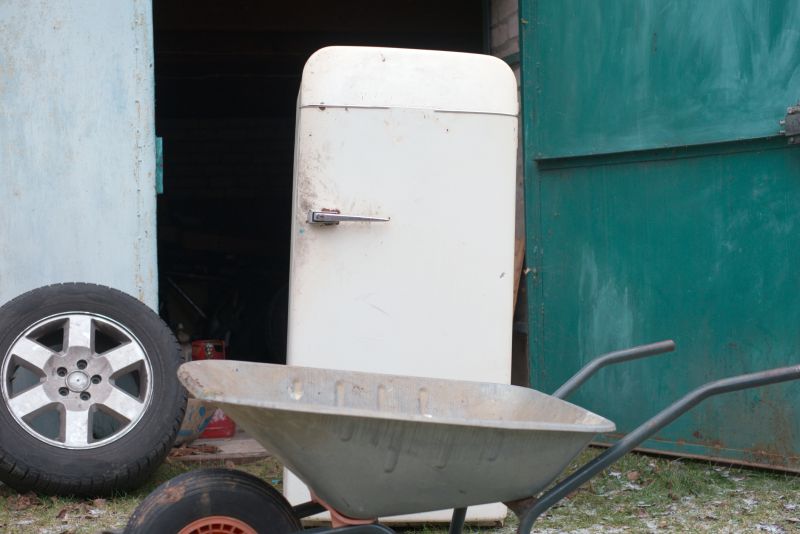
Larger refrigerators generally incur higher disposal costs because of increased handling and transportation requirements.
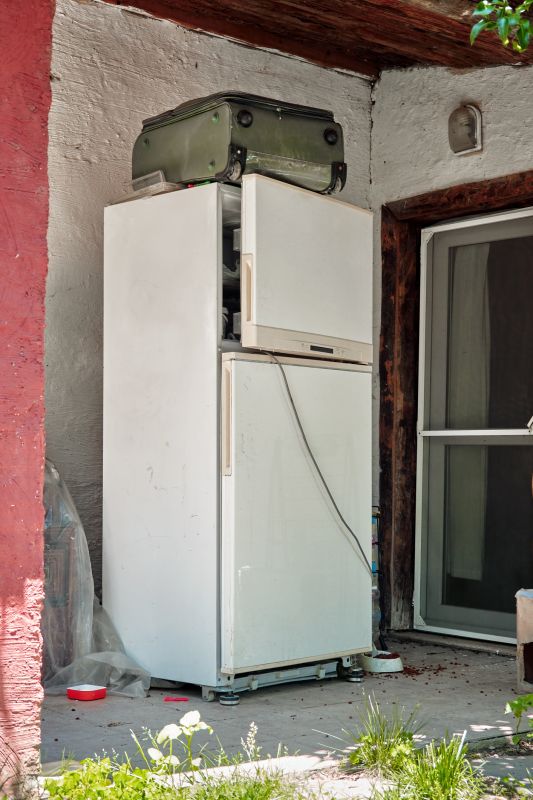
Geographic location influences disposal costs due to regional service fees and accessibility challenges.
| Disposal Method | Average Cost |
|---|---|
| Curbside Pickup | $50 - $150 |
| Professional Removal Service | $100 - $300 |
| Recycling Center Drop-off | $30 - $80 |
| Bulk Waste Collection | $70 - $200 |
| Specialized Hazardous Disposal | $200 - $500 |
Additional costs may include permits or special handling charges for refrigerators containing refrigerants or hazardous materials. These factors can add to the total expense, emphasizing the importance of understanding regional regulations and service offerings for accurate budgeting.
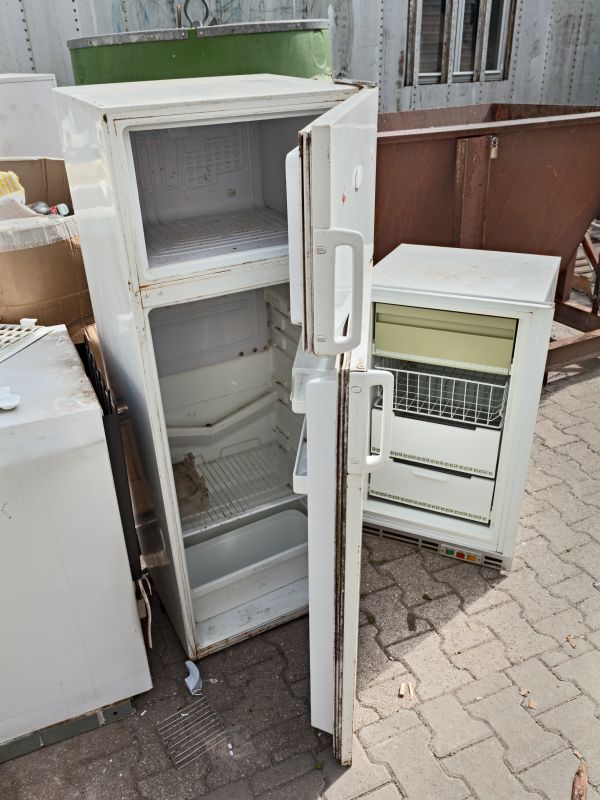
Disposal costs may increase if the refrigerator contains refrigerants that require special handling during removal.

Removing doors can add to labor costs but may be necessary for safe and compliant disposal.

Handling electrical parts safely can influence disposal fees, especially if specialized equipment is needed.
| Service Type | Average Price |
|---|---|
| Appliance Pickup and Disposal | $80 - $250 |
| Refrigerator Recycling | $40 - $100 |
| Hazardous Material Handling | $250 - $600 |
| Bulk Waste Collection | $70 - $200 |
| Electronics Recycling | $30 - $70 |
| Scrap Metal Recycling | $20 - $50 |
| Appliance Demolition | $150 - $400 |
| Specialized Refrigerant Removal | $200 - $500 |
| Container Rental for Disposal | $50 - $150 |
| Local Waste Collection Service | $60 - $180 |